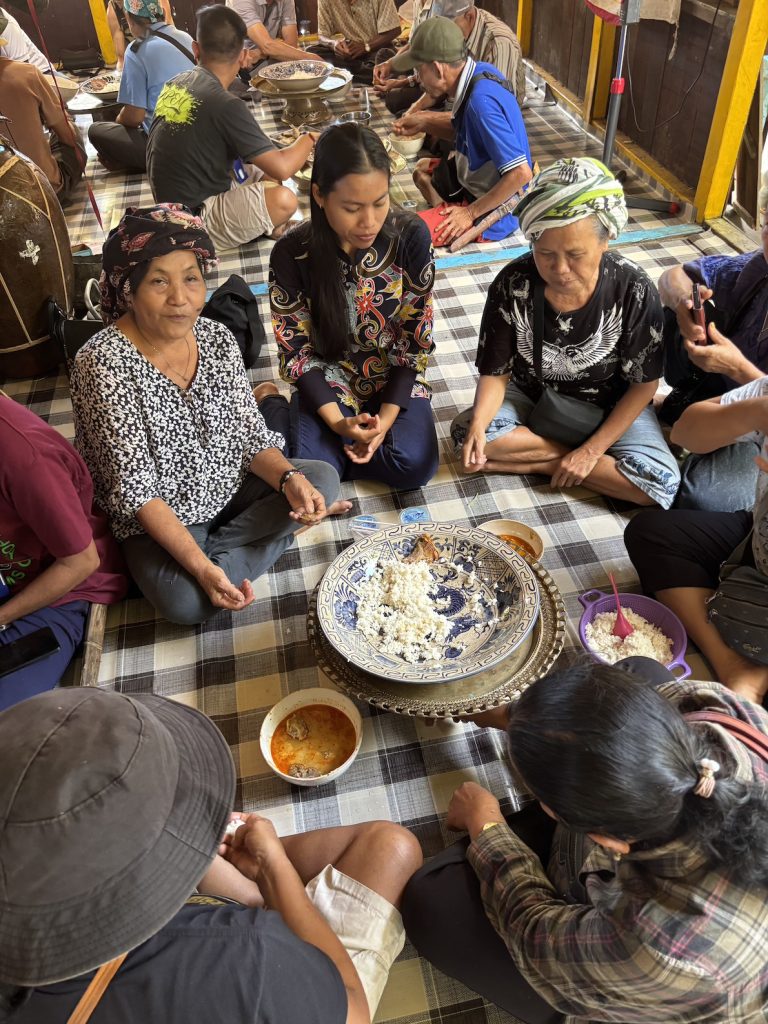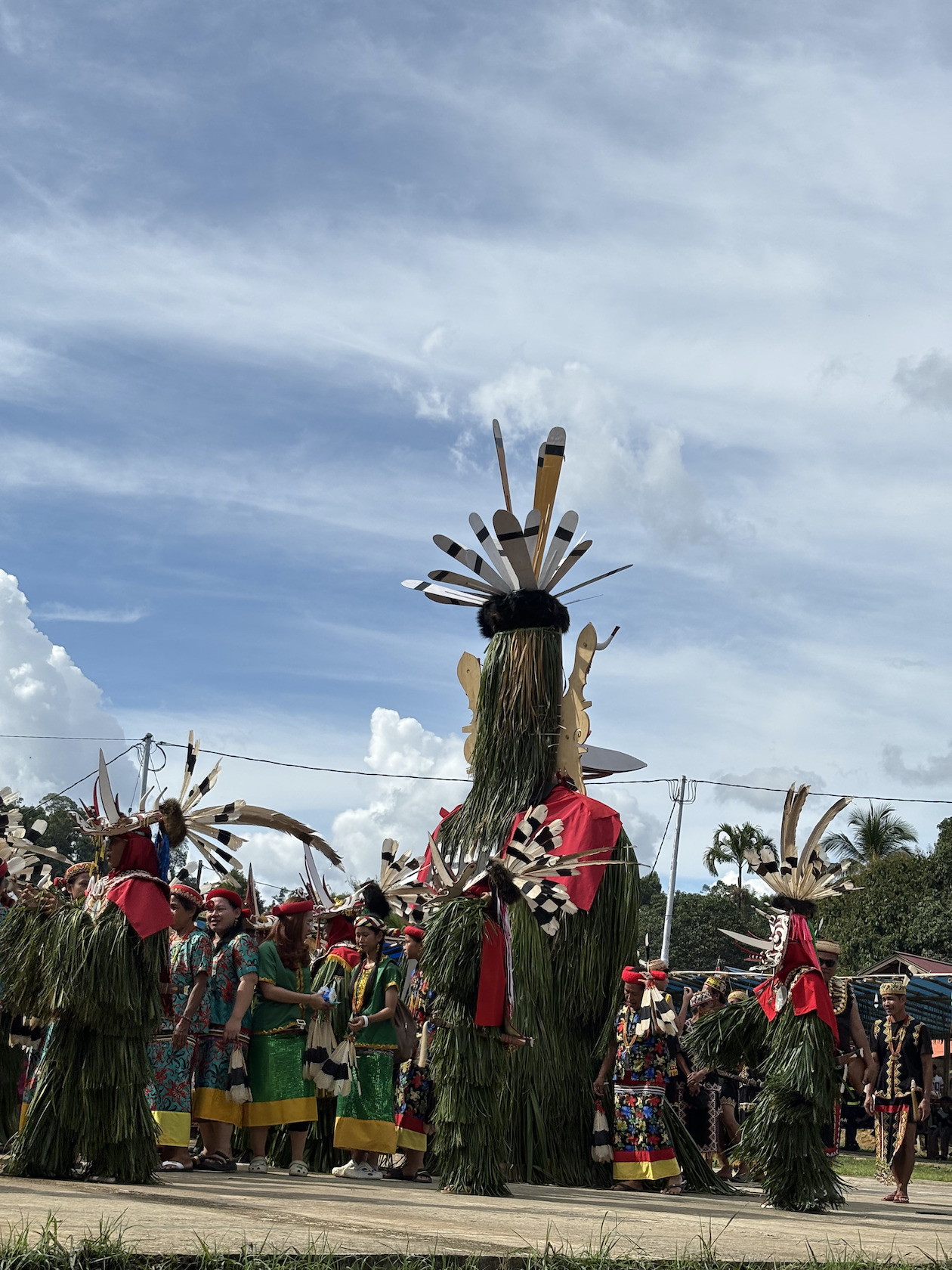
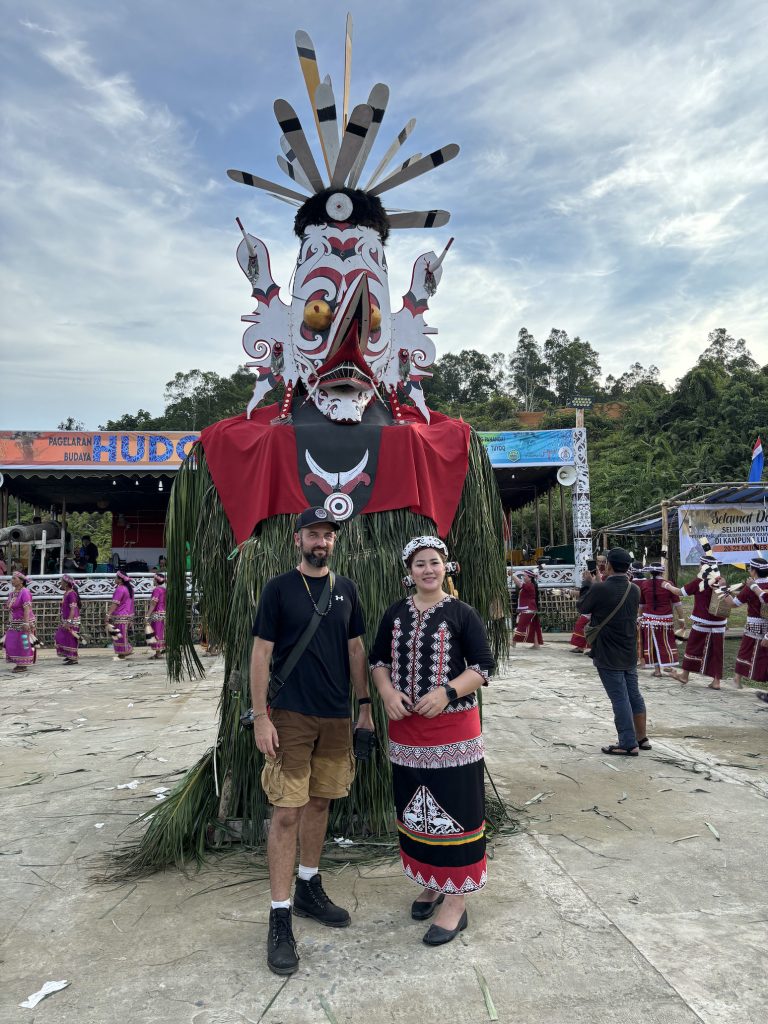
The Hudoq Festival is one of the most sacred and spectacular traditional rituals of the Dayak Bahau and Dayak Modang tribes in the interior of East Kalimantan. The word Hudoq means “spirit mask” in the Dayak language, symbolizing ancestral spirits and the deities who protect the crops. For the Dayak people, Hudoq is not merely a cultural performance but an expression of gratitude to nature and their ancestors for abundant harvests, as well as a prayer for the rice plants to grow healthy and free from pests. The festival is held every October, shortly after the rice-planting season begins, marking harmony between humans, nature, and the spiritual world.
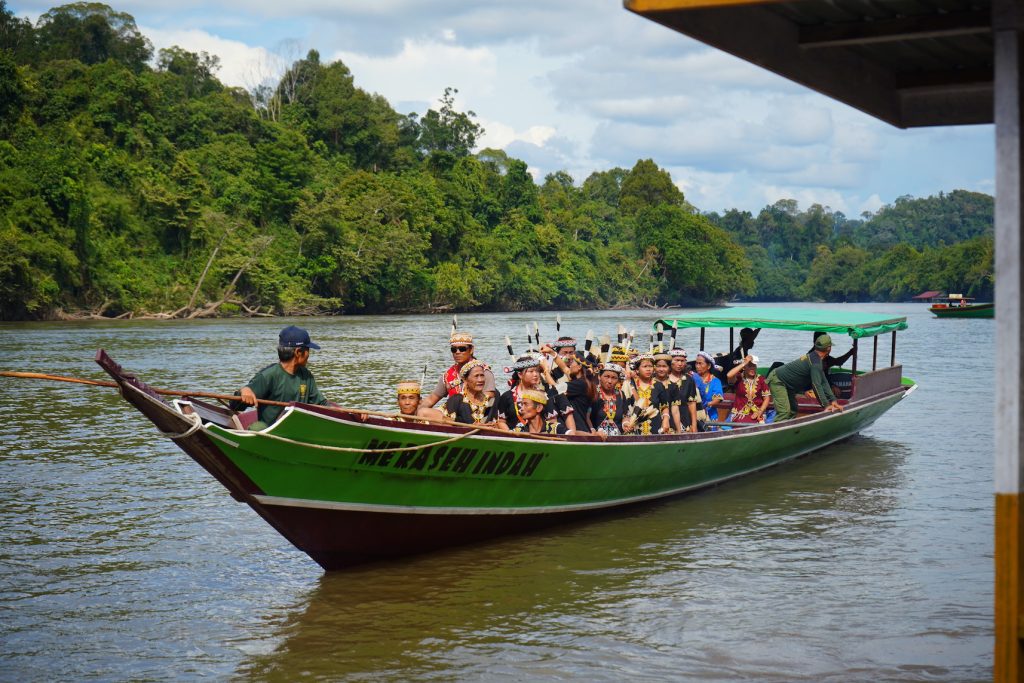
This year, the Hudoq Festival took place in Liu Mulang, a remote village in Mahakam Ulu, East Kalimantan. To reach the location, travelers begin their journey from Balikpapan to Melak by small aircraft. From Melak, the trip continues by car or speedboat to Long Bagun, followed by another speedboat ride to Liu Mulang, passing through the challenging rapids of the Mahakam River. Although the journey can be quite demanding, the scenery along the way is breathtaking, with dense tropical forests, shimmering river waters, and glimpses of traditional Dayak life along the riverbanks that make the adventure truly unforgettable.
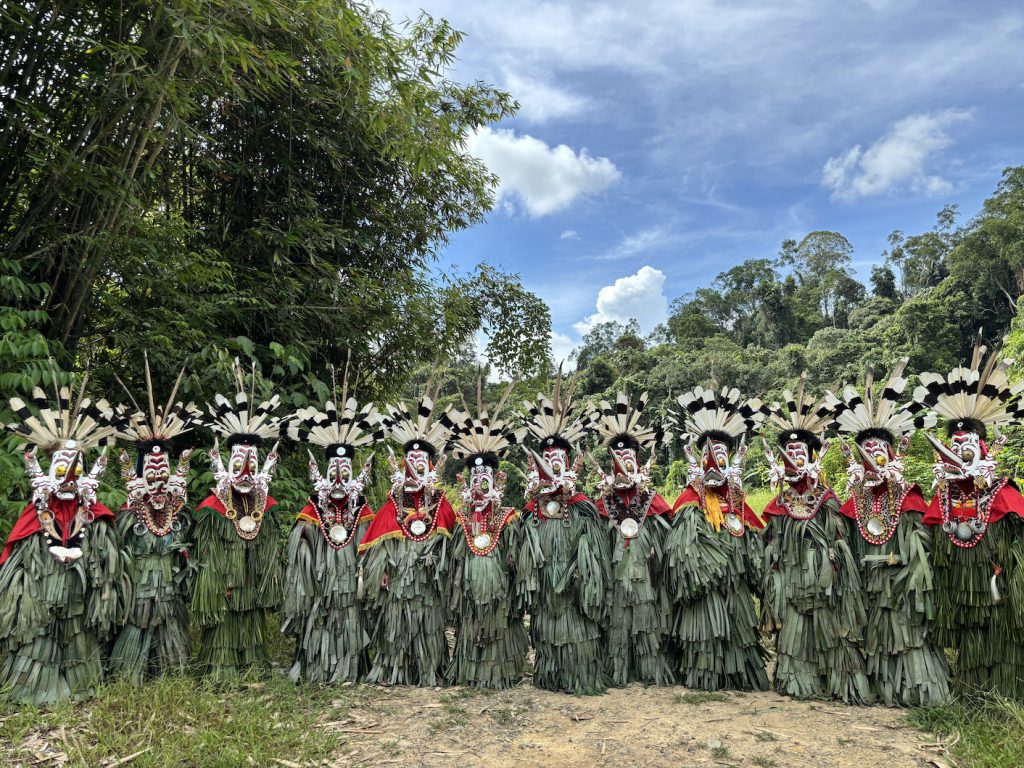
The Hudoq ritual consists of several sacred stages. Each village prepares a boat carrying the Hudoq masks, which are kept covered and brought into the forest. There, tribal elders perform a blessing ceremony, asking the spirits of their ancestors to descend and bless both the people and their crops. After the forest ritual is complete, Dayak men put on traditional Hudoq costumes made of banana leaves and tree bark, then unveil the masks as a sign of the ancestral spirits’ presence among the living. This moment is deeply symbolic, representing the bridge between the human world and the spirit realm.
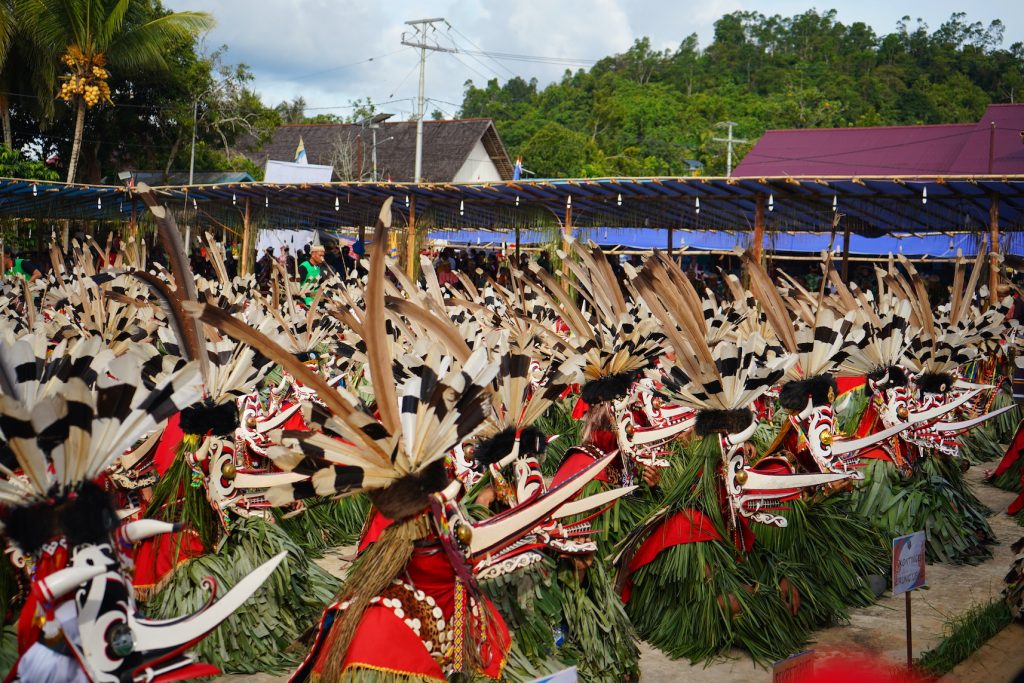
After the ceremony, Dayak women gather in the village to welcome the returning Hudoq. Together, they walk toward the main field where the celebration takes place. The entire community then comes together to dance, sing, and pray in gratitude. The Hudoq dancers are believed to act as mediums of communication between humans and the guardian spirits of nature. At times, the dancers fall into a trance, moving instinctively to the rhythmic sounds of gongs and drums that echo throughout the village. The Hudoq dance is not a mere performance but a sacred expression of devotion and thankfulness for life itself.
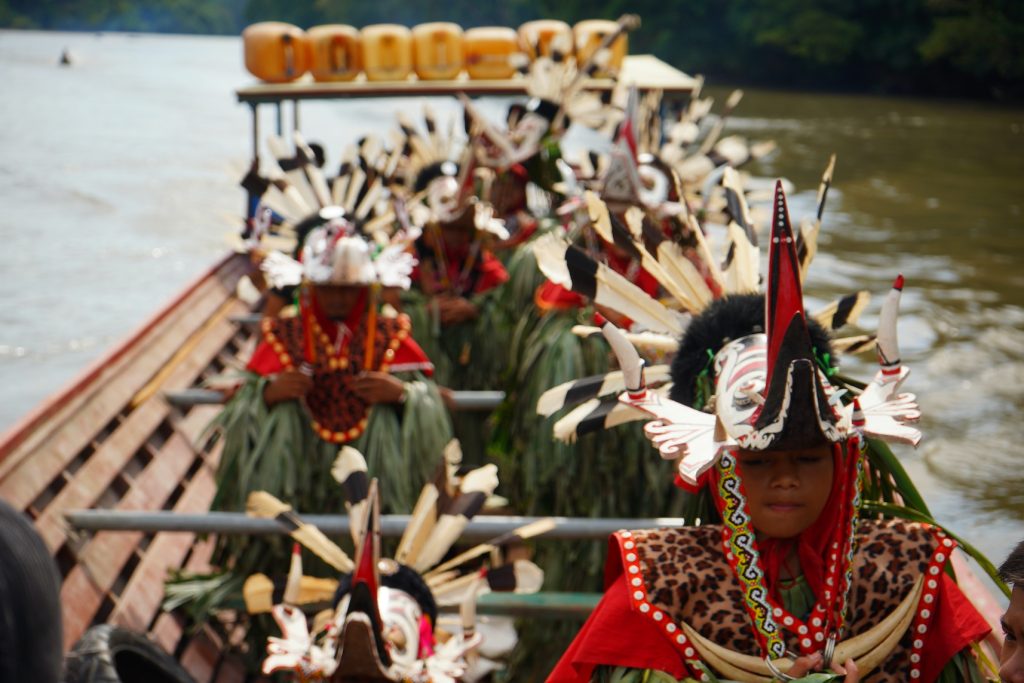
As the festival unfolds, the atmosphere grows vibrant and full of energy. Men and women dance around the field for hours while enjoying traditional rice wine known locally as arak, which is served in bamboo containers. The sound of traditional instruments fills the air, creating a mystical atmosphere that captivates everyone present. The Hudoq masks are uniquely crafted, often depicting guardian animals such as hornbills, deer, or wild boars, each representing strength, fertility, and protection for the crops.
The Hudoq Festival is not only a religious ritual but also a proud expression of Dayak identity and heritage. Through this ceremony, the community preserves its harmony with nature and the spiritual world, which is an essential part of the Dayak way of life. For visitors, witnessing the Hudoq Festival is a deeply enriching cultural experience and a rare opportunity to see the traditions of an indigenous people who continue to honor their ancestors and the natural world. With the majestic forests of Kalimantan as its backdrop, the festival also serves as one of the main highlights of cultural and eco-tourism in East Kalimantan.
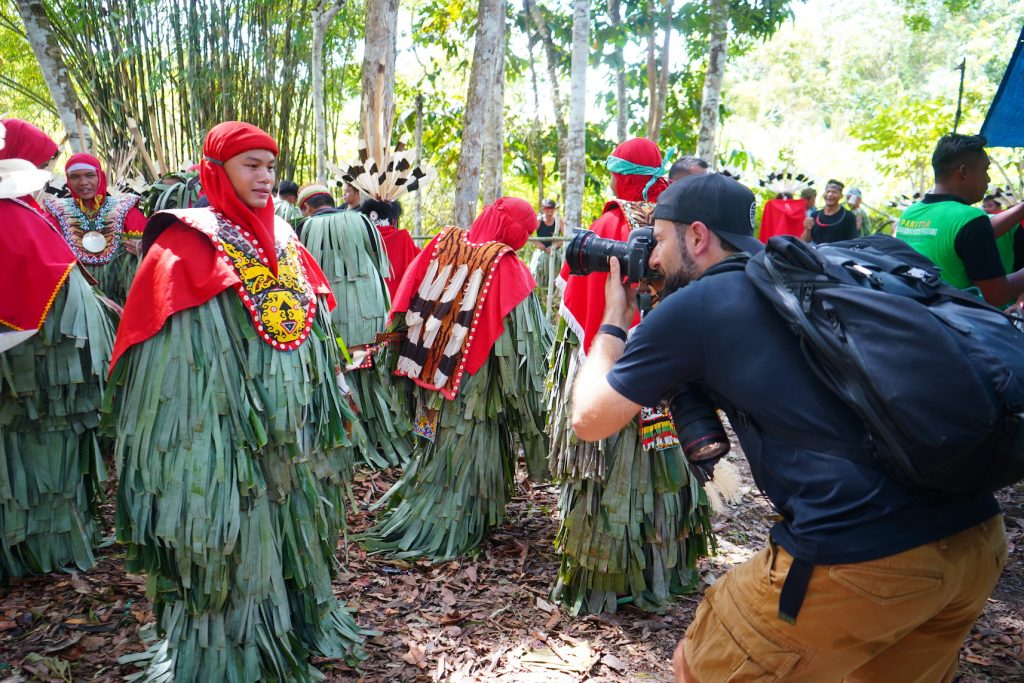
Reaching Liu Mulang may be challenging, but the stunning landscapes of Mahakam Ulu make every effort worthwhile. Visitors are encouraged to bring personal essentials, insect repellent, and a camera to capture each memorable moment. Respecting local customs is important, so please dress modestly and always ask permission before taking photos of participants.
The Hudoq Festival is a living legacy filled with meaning, where dance, music, and ritual symbolize the deep bond between humans, nature, and ancestral spirits. Through this celebration, the Dayak people remind us of the importance of gratitude, togetherness, and living in harmony with the environment. For anyone who loves culture and adventure, experiencing the Hudoq Festival deep in the heart of Borneo is a spiritual and visual journey you will never forget.
Are you interested? Book your Hudoq Festival Tour for next year with us. Contact the Central Borneo Guide team for detailed itineraries, schedules, and the best travel offers.