
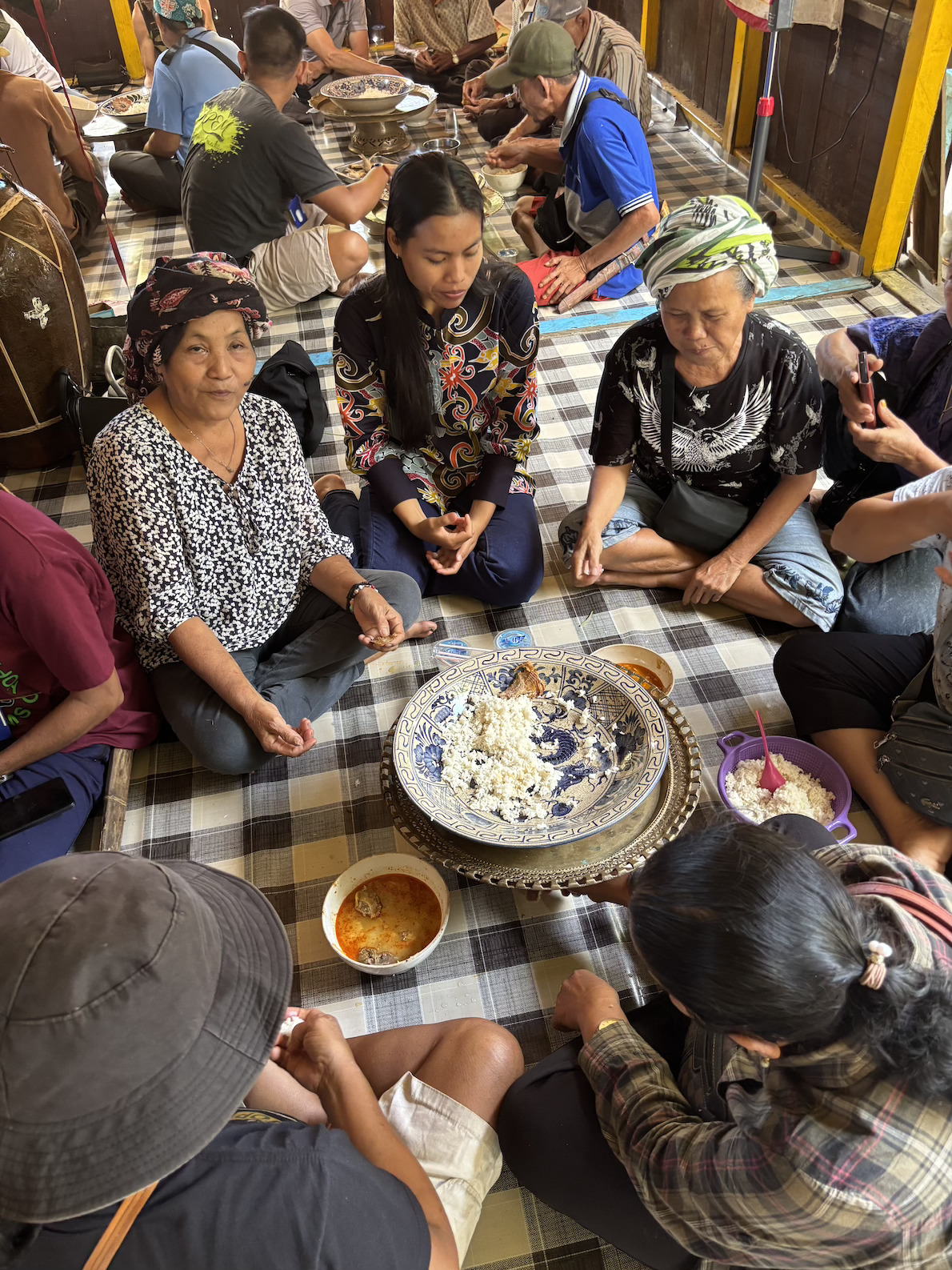
The Ijame, also known as Ijambe, is one of the most sacred traditional ceremonies of the Dayak Maanyan people from East Barito, Central Kalimantan. This ritual serves as the final act of respect for ancestors and loved ones who have passed away. For the Dayak Maanyan, death is not the end of life, but the beginning of a spiritual journey where the soul joins the ancestors in the afterlife.
The Ijame ceremony is known as a grand death ritual carried out with deep reverence and spirituality. It is meant to guide the soul of the deceased toward peace in the spirit world. For the Dayak Maanyan people, Ijame is not only a farewell but also an expression of love, respect, and appreciation for the life that has ended.
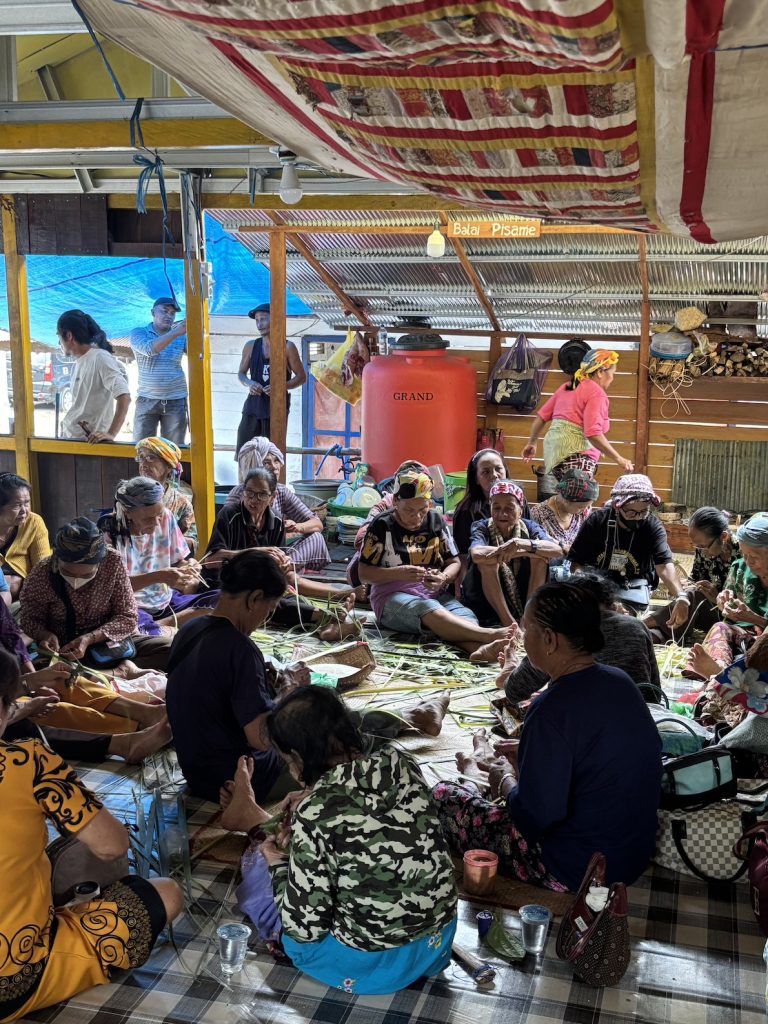
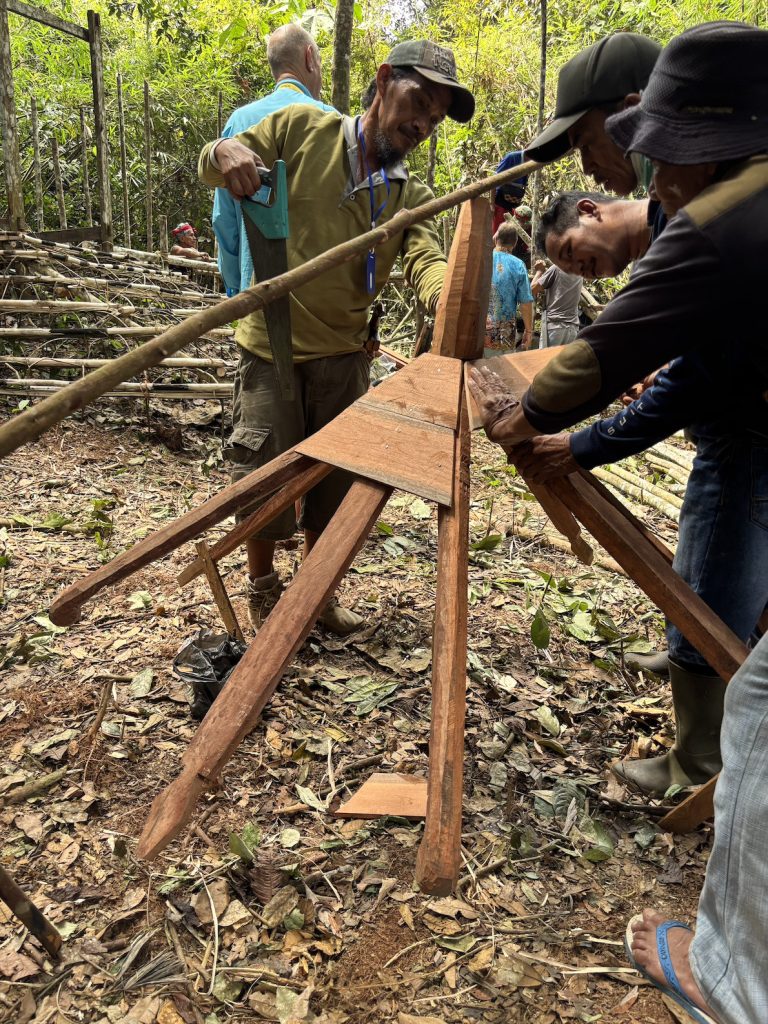
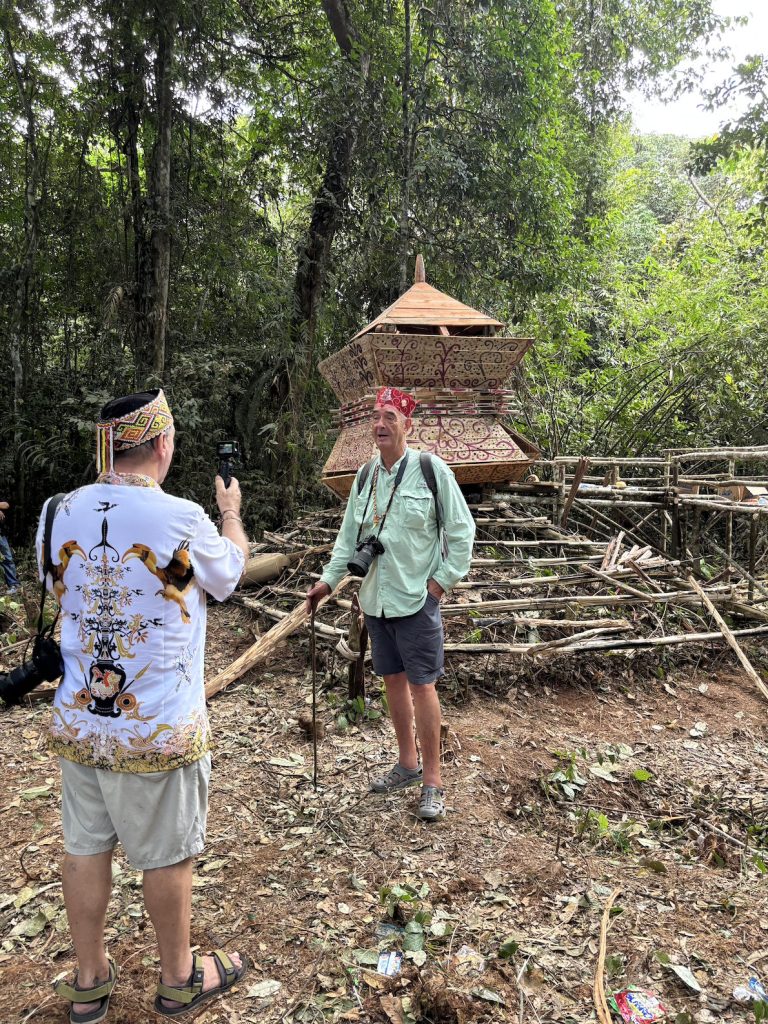
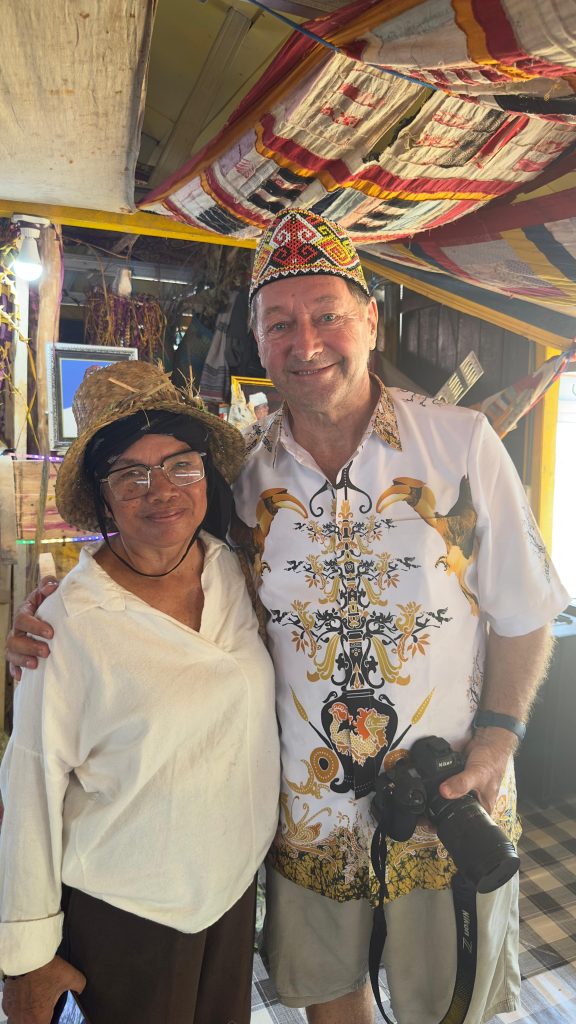
Today, the Ijame ritual has become increasingly rare. Only a small number of people still follow the old belief systems, as many have converted to modern religions. The Wadian, or traditional spiritual leaders who lead this ceremony, are now elderly and few in number. The Ijame that I witnessed may be one of the last Ijame rituals in modern times. It was a truly meaningful experience, not only for the local Dayak Maanyan community but also for those who care about preserving the cultural and spiritual heritage of Borneo.
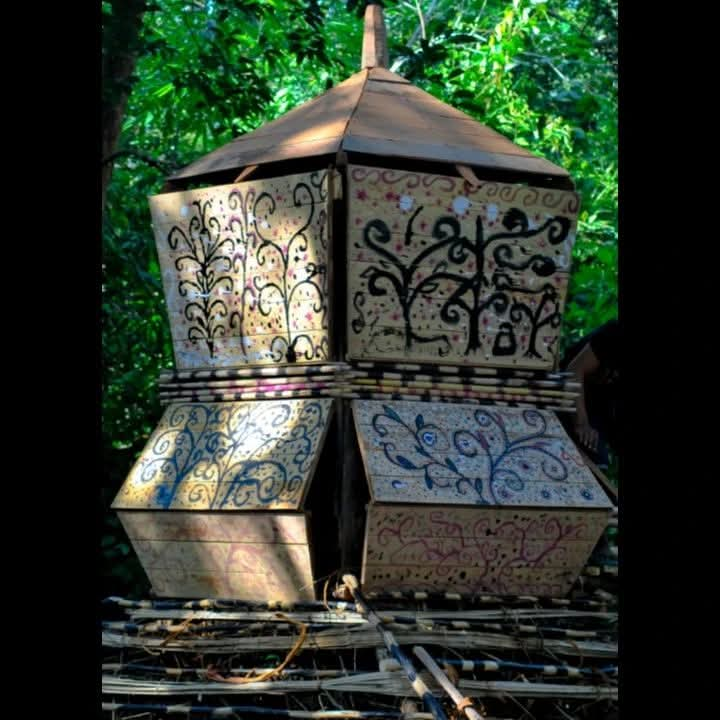
The Ijame ceremony usually lasts for several days and involves multiple sacred stages. One of the key elements of the ritual is the creation of sapundu, wooden totem-like statues representing the deceased, and sandung, a small wooden house where the bones or ashes of the departed are placed. Throughout the ceremony, traditional music, sacred chants, and ritual dances fill the air, led by the Wadian. They are believed to communicate with the spirit world, guiding the soul of the deceased safely to the realm of the ancestors.
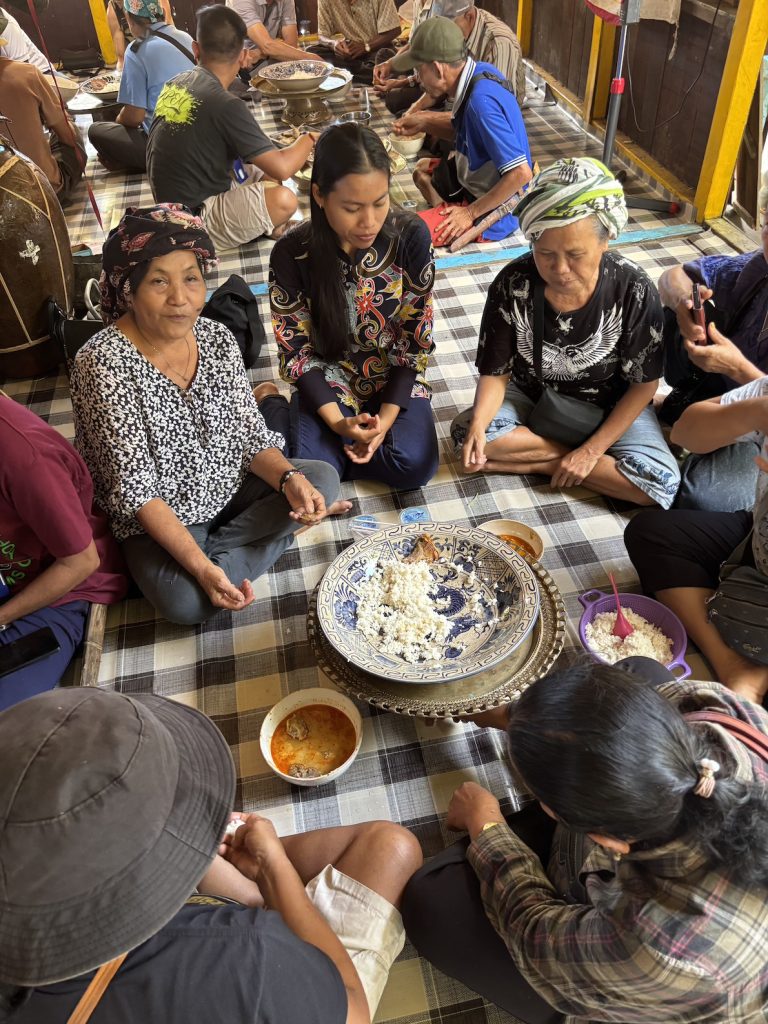
The atmosphere during the ritual is solemn and deeply emotional. Villagers gather dressed in traditional attire and bring offerings such as food, livestock, and crops. These offerings are made to honor the departed soul and to ask for blessings and protection for the family left behind. At certain points, villagers also dance around the sandung while singing traditional songs that tell stories about the life and deeds of the deceased.
More than just a funeral ceremony, the Ijame reflects the Dayak Maanyan philosophy of life and death. The people believe that life and death are interconnected, forming a continuous cycle. There is no fear of death, as it is viewed as a natural passage into eternal peace with the ancestors. This worldview shows the deep spiritual connection between humans, nature, and the spirit world in Dayak culture.
Today, the Ijame ritual stands as an important symbol of cultural preservation in Central Kalimantan. Local communities and cultural organizations are working together to document and promote this tradition as part of Indonesia’s intangible cultural heritage. The Ijame is not only a sacred ritual but also a representation of the Dayak Maanyan identity and pride, as well as a unique form of cultural tourism that holds deep meaning for visitors.
For travelers who are interested in ancient traditions and the spiritual life of the Dayak people, witnessing the Ijame ceremony is a profound and unforgettable experience. Each stage of the ritual reflects themes of life, respect, and unity, reminding us that death is not an end but a transition toward eternal harmony with nature and the ancestors
.Are you interested in Dayak culture or Borneo’s wildlife?
Book your trip now with Central Borneo Guide and experience the authentic beauty of Kalimantan’s culture and nature.
Contact us directly via WhatsApp or Email for tour details, activity schedules, and the best travel packages.


